

Dolce Etruria
La Dolce Vita, traced to the Etruscans
Since the early years of this millennium, photographer and author René van Bakel has put himself on the trail of La Dolce Vita and traced it back — all the way to the Etruscans. Through extensive research, countless stays and meetings, he compares how much of their ancient culture has survived, and how it still shapes everyday life in central Italy and far beyond.
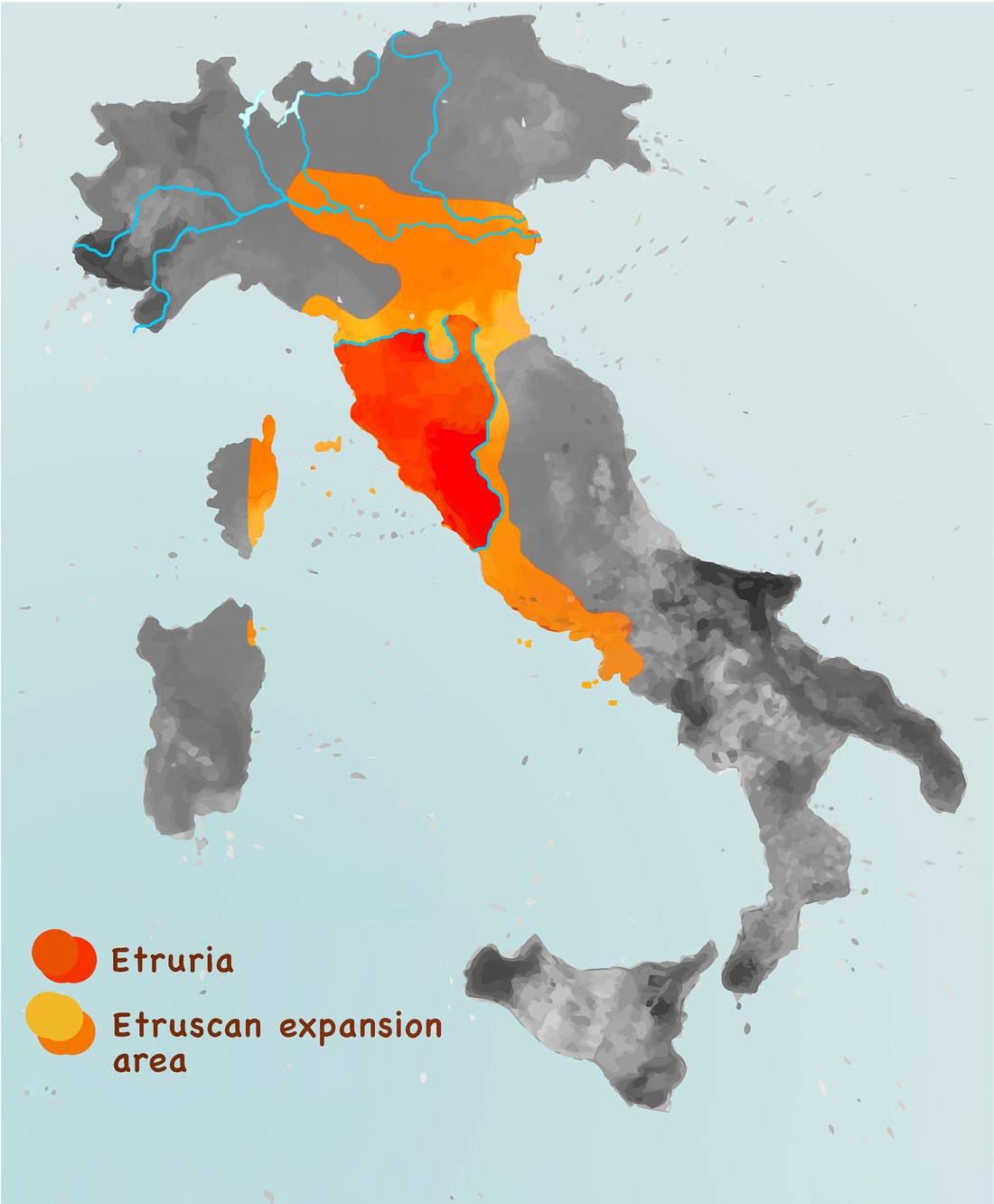
At the height of their culture, in the 7th and 6th centuries BC, the Etruscans commanded the most fertile lands, rich resources, harbours and the sea — an abundance that made possible a life of banquets, art, music and beauty. It led van Bakel to a clear conclusion: the origin of La Dolce Vita is bound to the rise of the Etruscans.
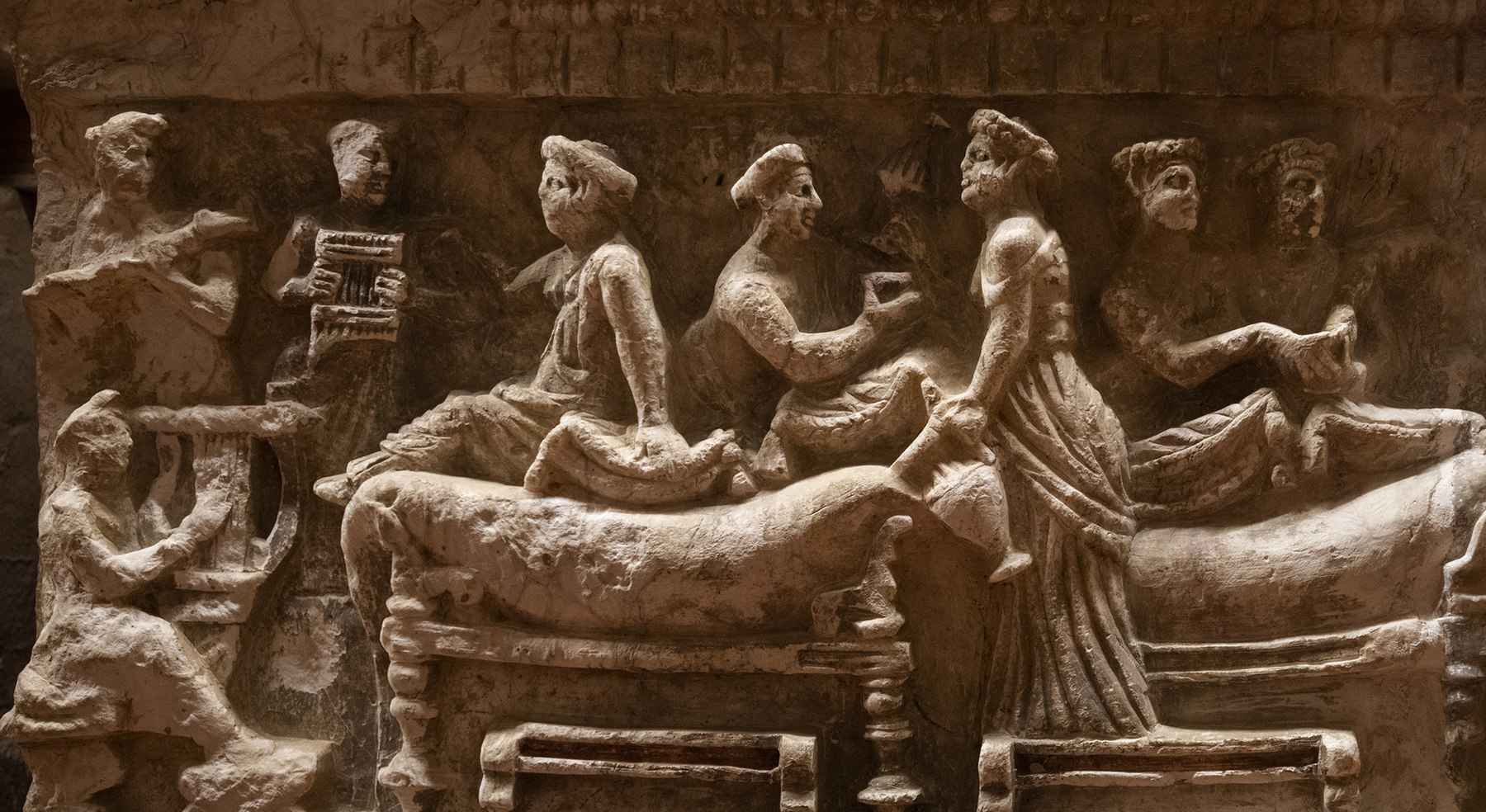
A couple at the feast, equal to one another
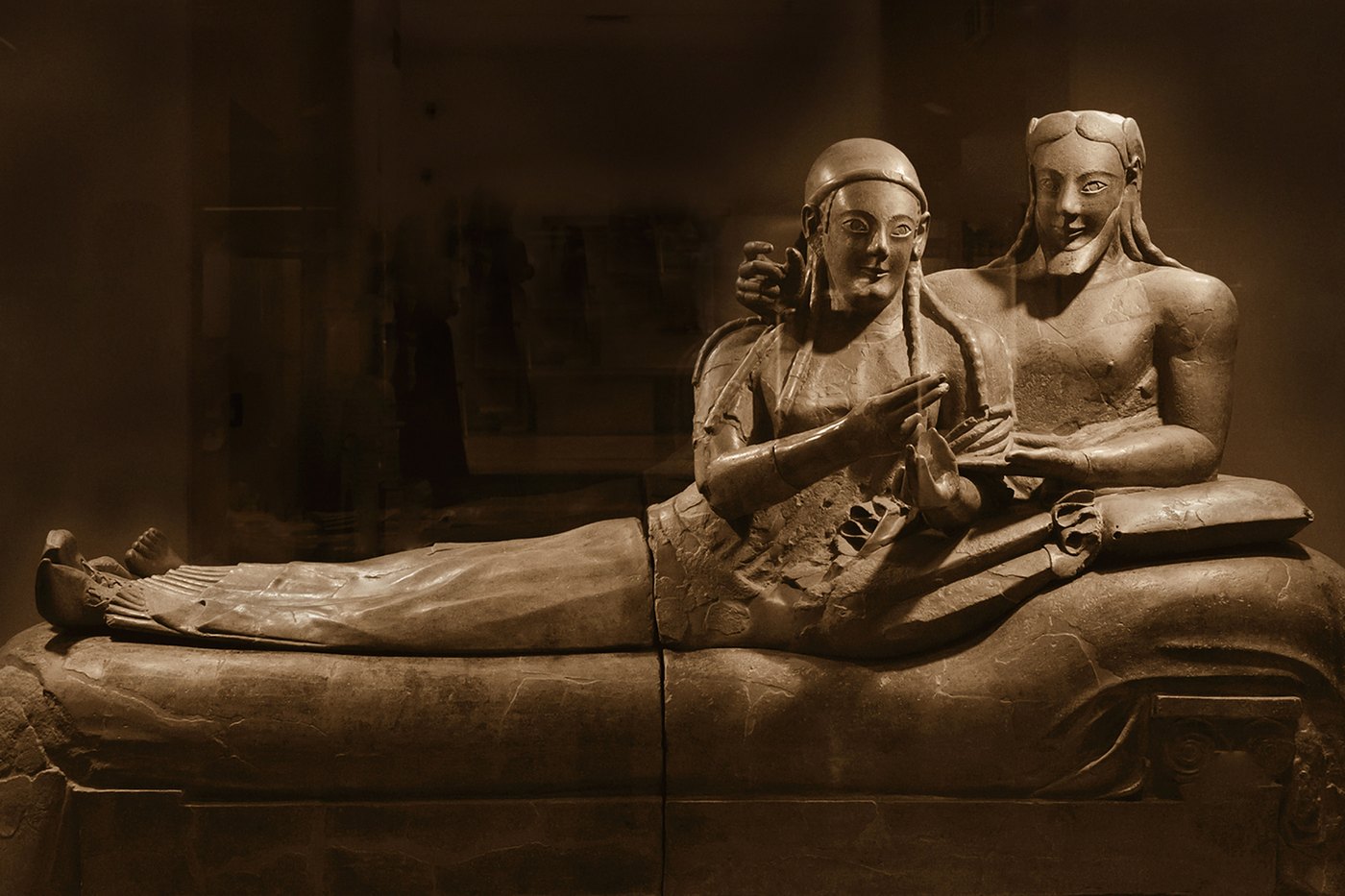
Sarcophagus of the Spouses · Caere · c. 520 BC · Villa Giulia, Rome
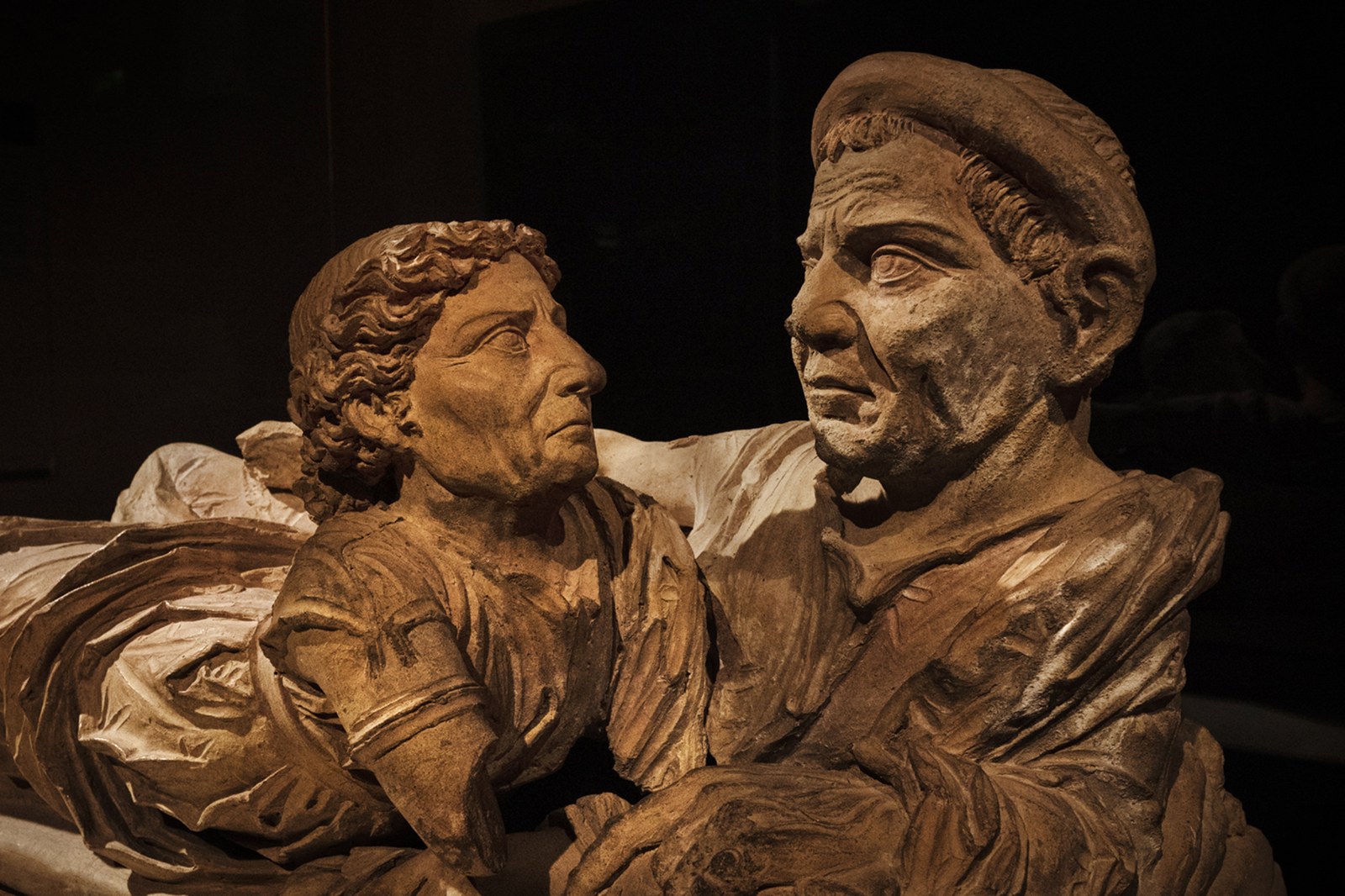
Urn of the Spouses · Volterra · 2nd–1st c. BC · Museo Guarnacci
It is not that the Etruscan woman reclined beside her husband at the banquet. It is that they chose to enter eternity that way — and went on choosing it for four hundred years, long after their political world had ended. Not a lord with his property, but a couple at the feast, equal to one another.
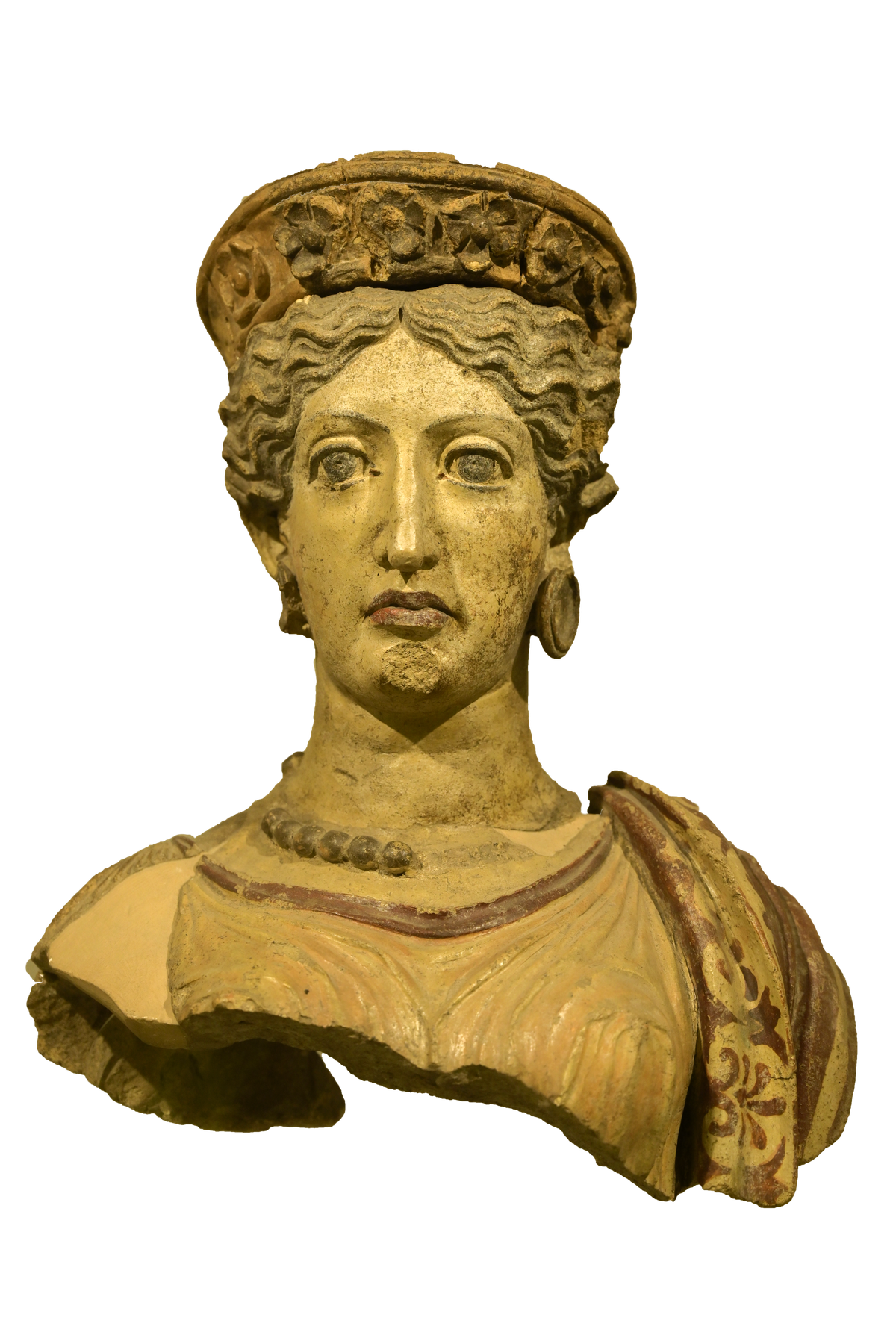
An Etruscan noblewoman · Villa Giulia, Rome
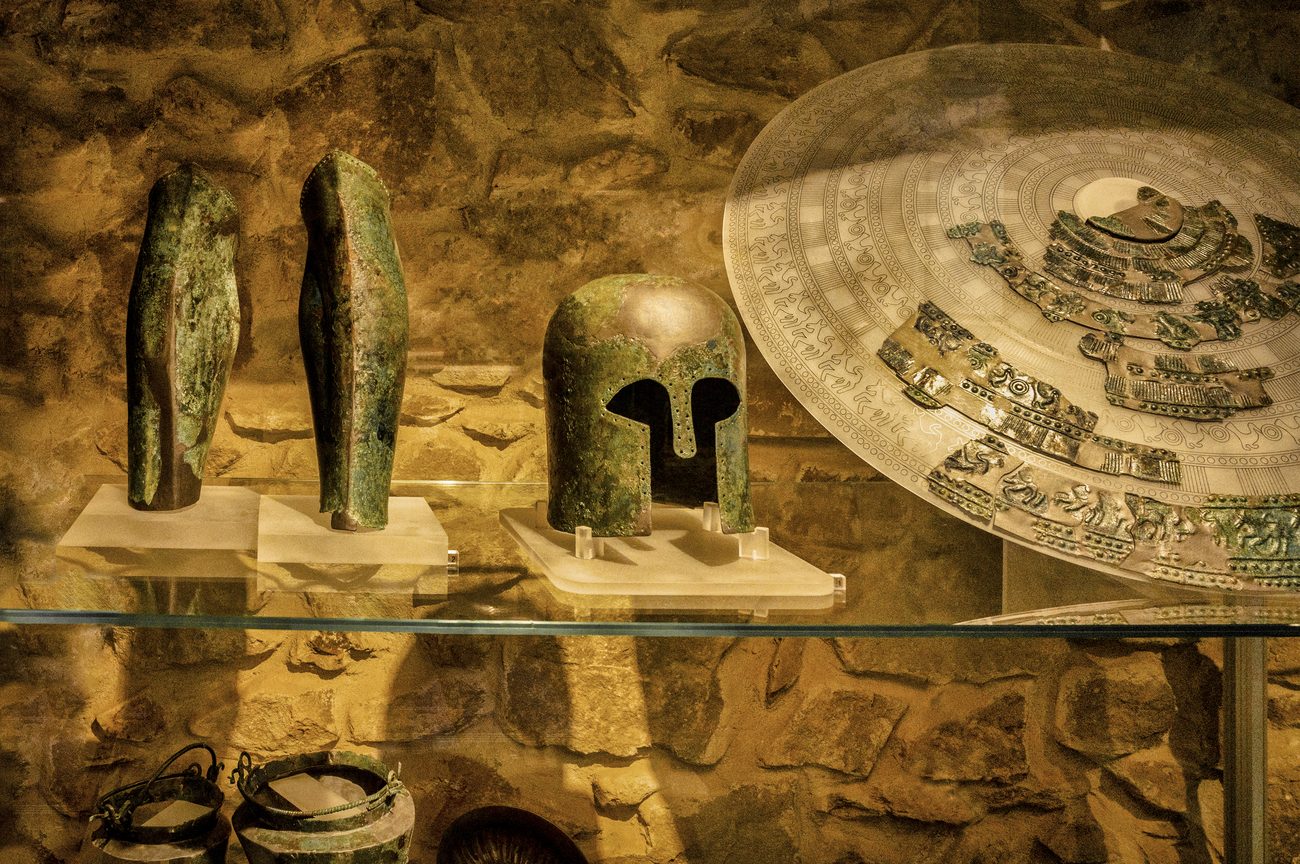
Bronze helmet, greaves & shield · Vetulonia · 7th c. BC
New theories on the Etruscan origin
Woven through the book is a fresh synthesis on the origins of the Etruscan people — new theories drawn from the latest discoveries and insights, and from the enigmatic Etruscan language that still offers clues to where they came from.
The full argument is reserved for publication. What the reader is given is a rigorous, narratively told journey to that conclusion — a personal perspective grounded in decades of deep research, primary-source reporting and original photography.
The Etruscan palace of Poggio Civitate
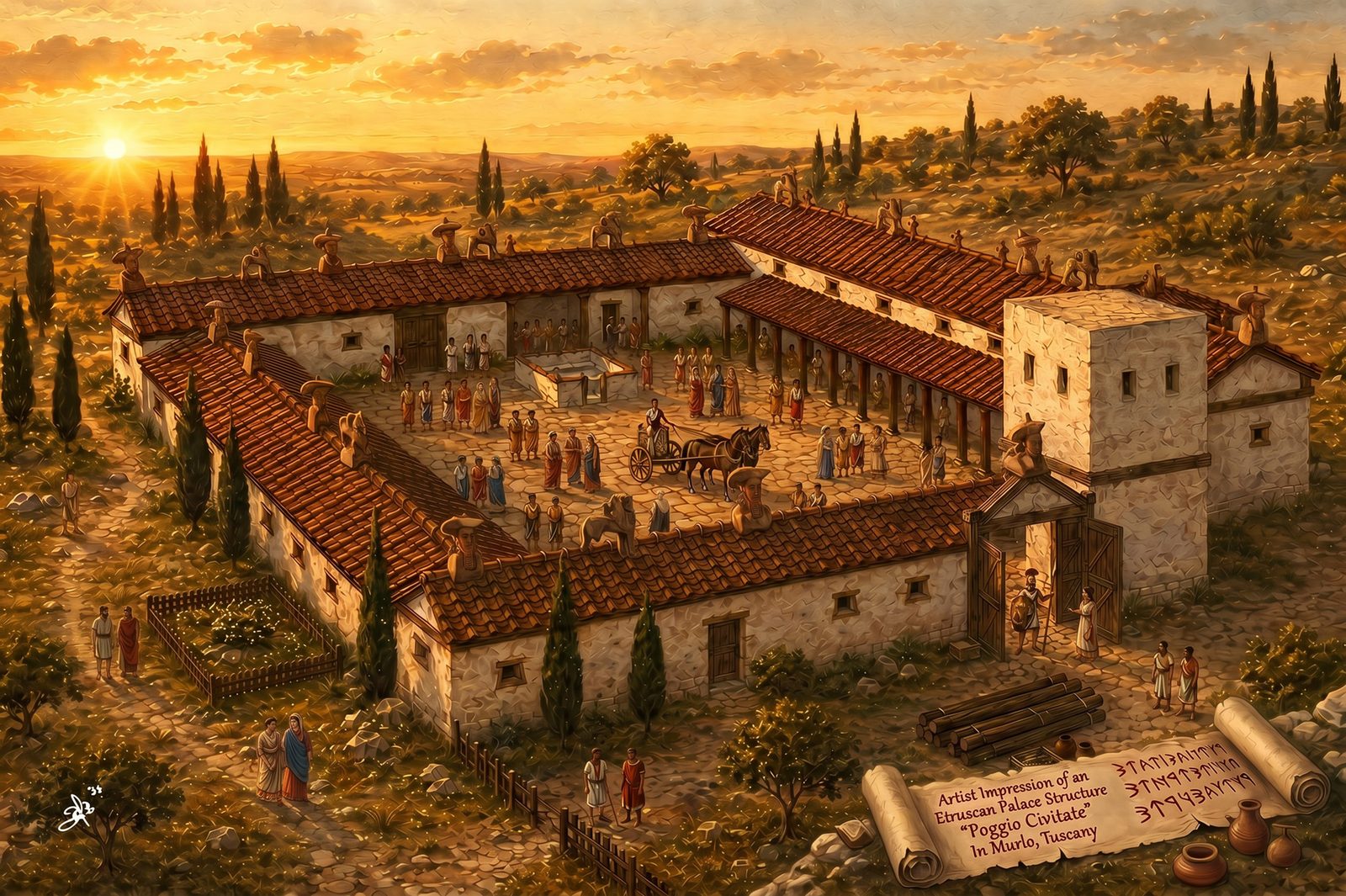
Artist’s impression by René van Bakel — the palace structure reconstructed from excavation plans, site records and first-hand observation; the chariot, dress and figures follow the paintings and sculptures found at the site. Poggio Civitate · Murlo, Tuscany · 7th–6th c. BC.
Treasures of the Etruscan Academy
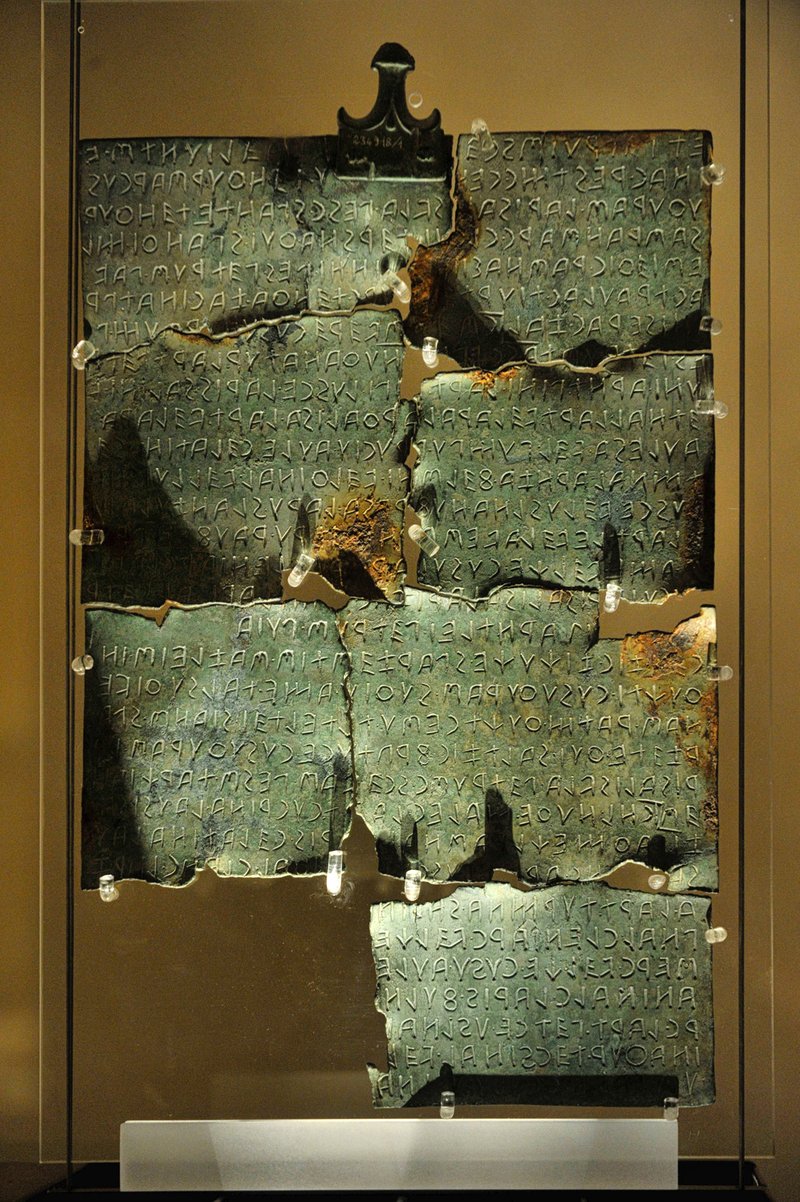
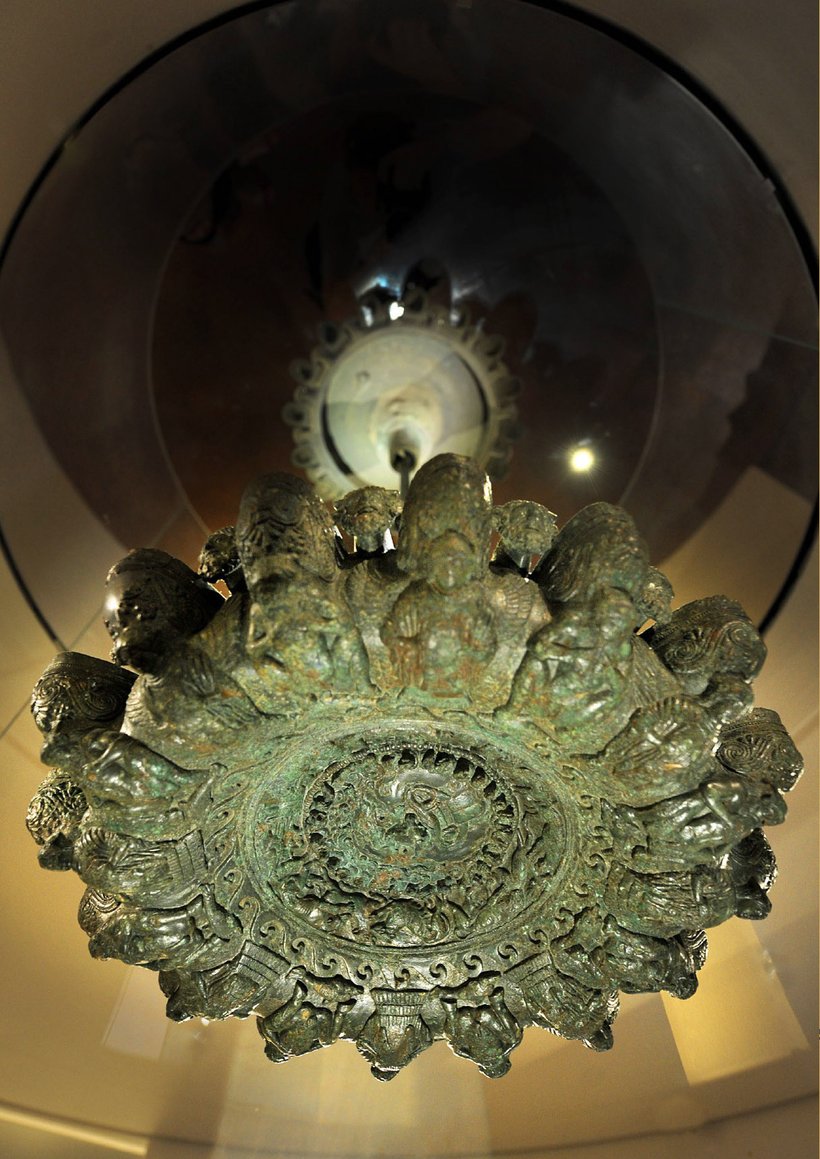
Six parts, one living thread
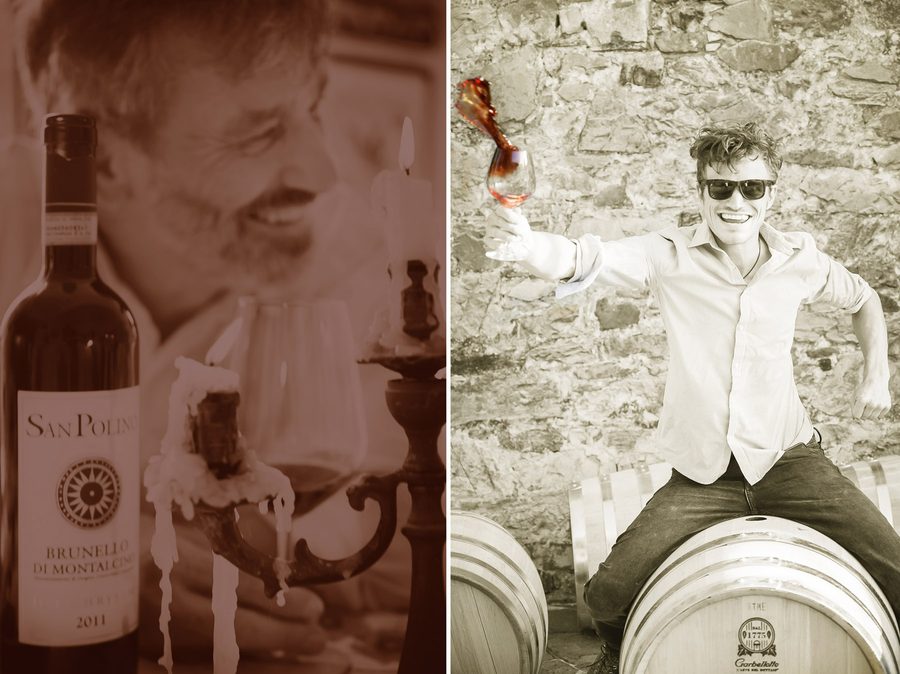
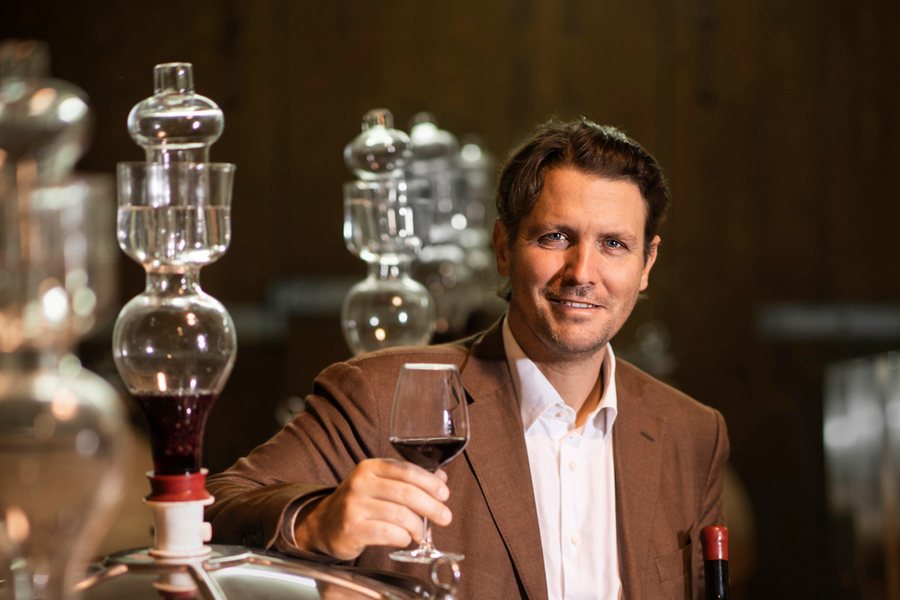
Each Etruscan tradition is paired with its living modern heir — through portraits and interviews with wine- and olive-growers, artisans, artists, architects, musicians, chefs and famous personalities of the territory.
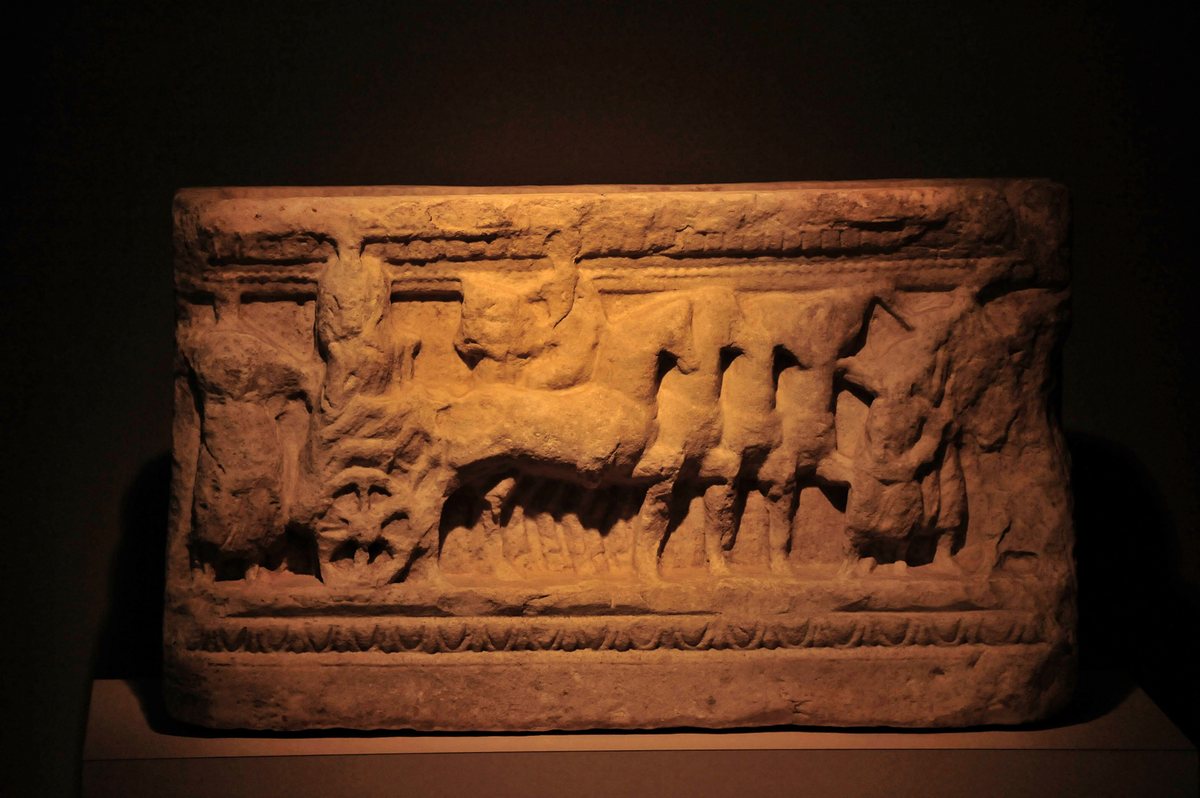
Chariot relief · Pietramarina
Lifestyle & legacy
Cuisine with roots in Etruscan times, ancient winemaking revived, and the lineage of Italian fashion and jewellery.
Culture & society
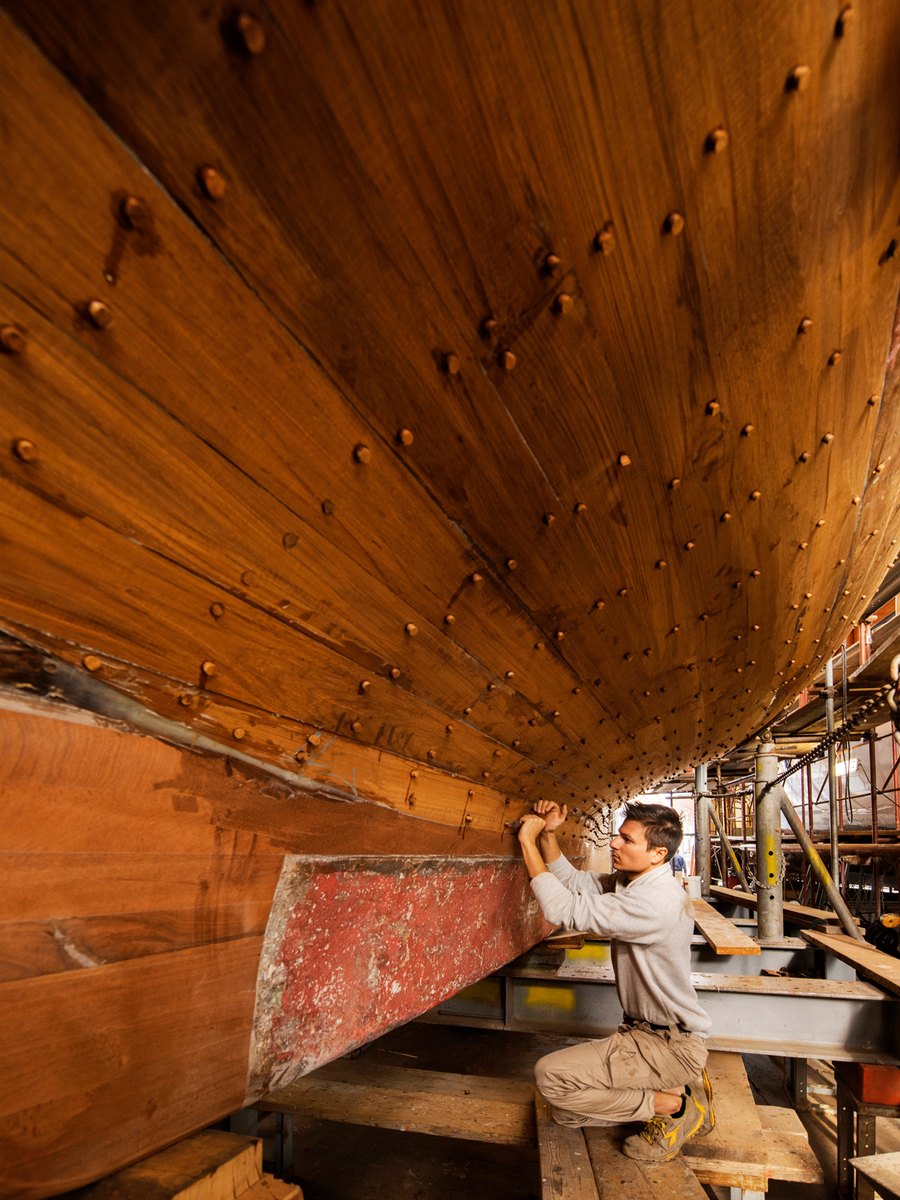
Art and artisanry, music, theatre and games, festivals — from Etruscan rites to the Palio di Siena — and seafaring.
Engineering & mastery
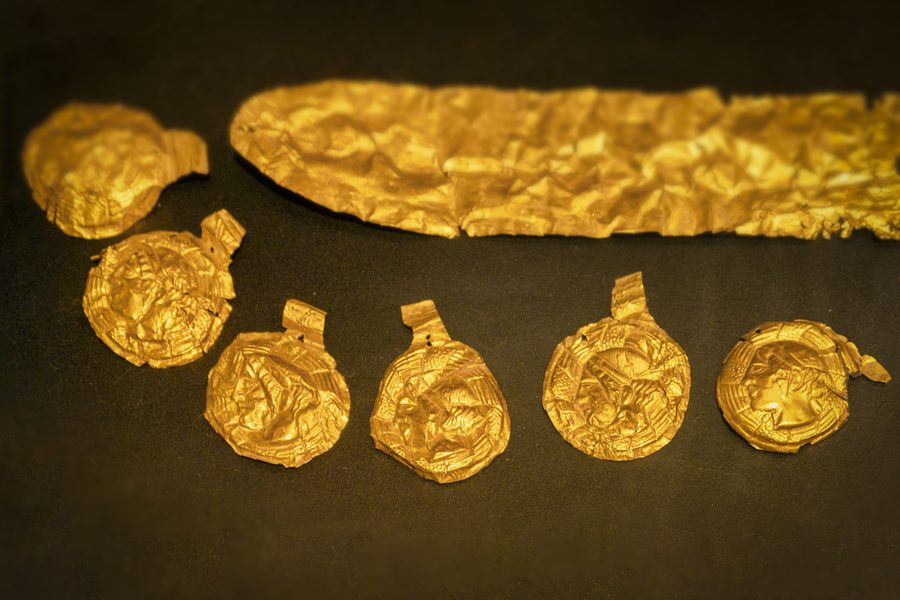
Architecture and irrigation, and the extraordinary craft of iron, bronze, ceramics and gold.
The spiritual world
Etruscan spirituality, divination and the afterlife — and its echoes in later Italian religion.
Expert insight
Conversations with archaeologists and scientists who verify and illuminate each chapter.
The eternal legacy
A reflection tying the Etruscans to Italy’s enduring celebration of beauty, passion and the art of living well.
The genius of Etruscan bronze
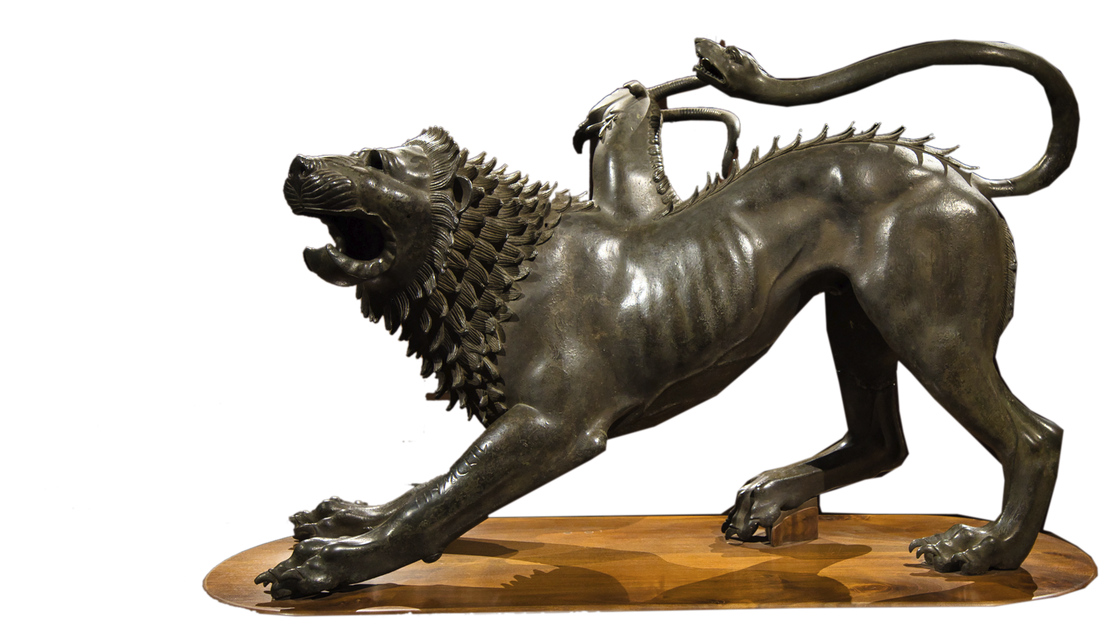
The Chimera of Arezzo
Seven centuries BC — and today
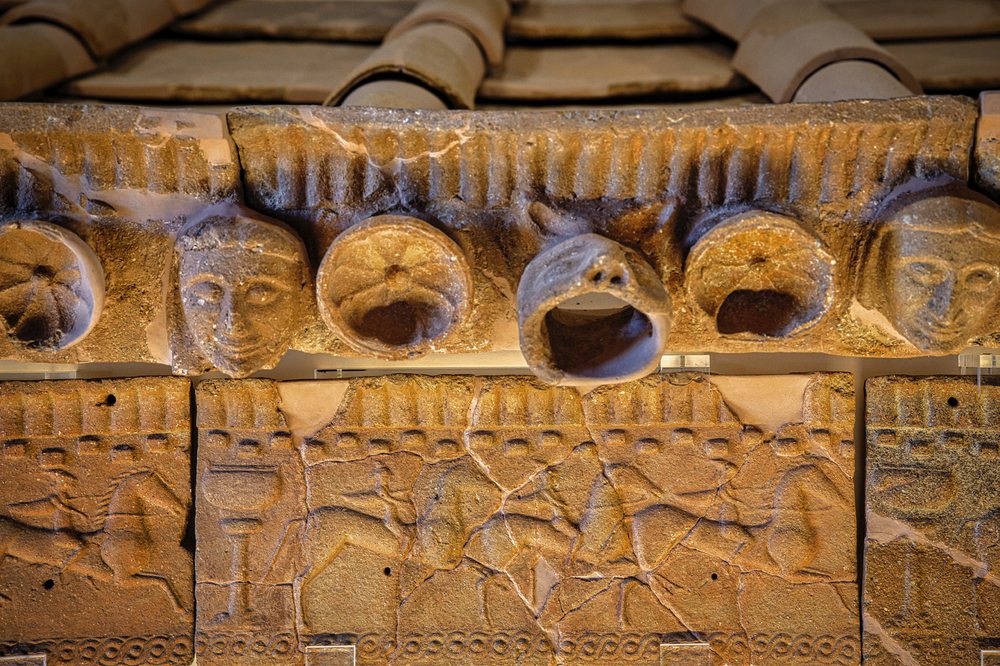
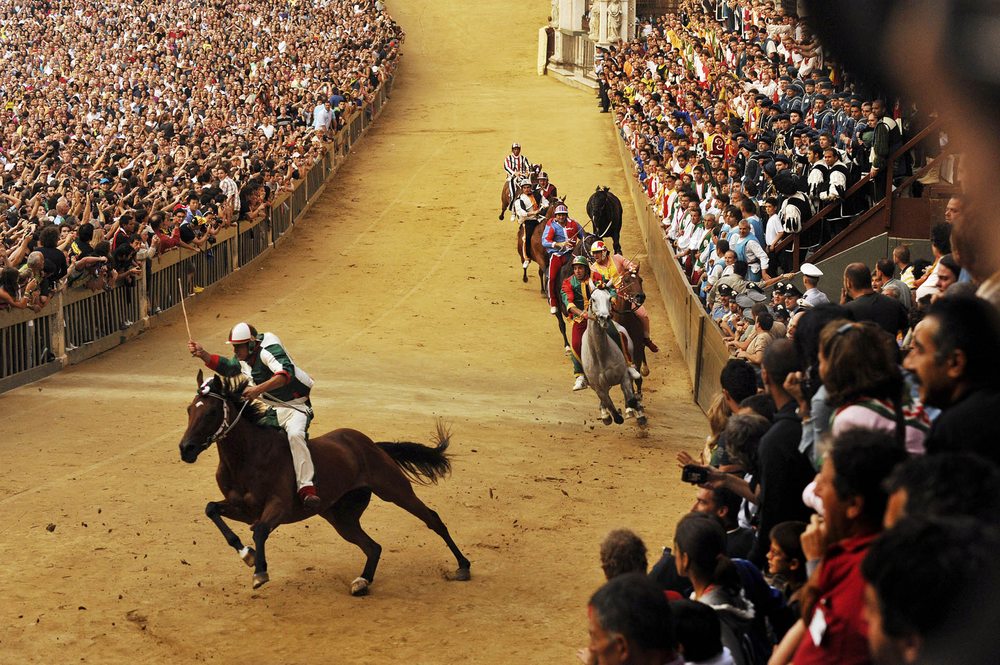
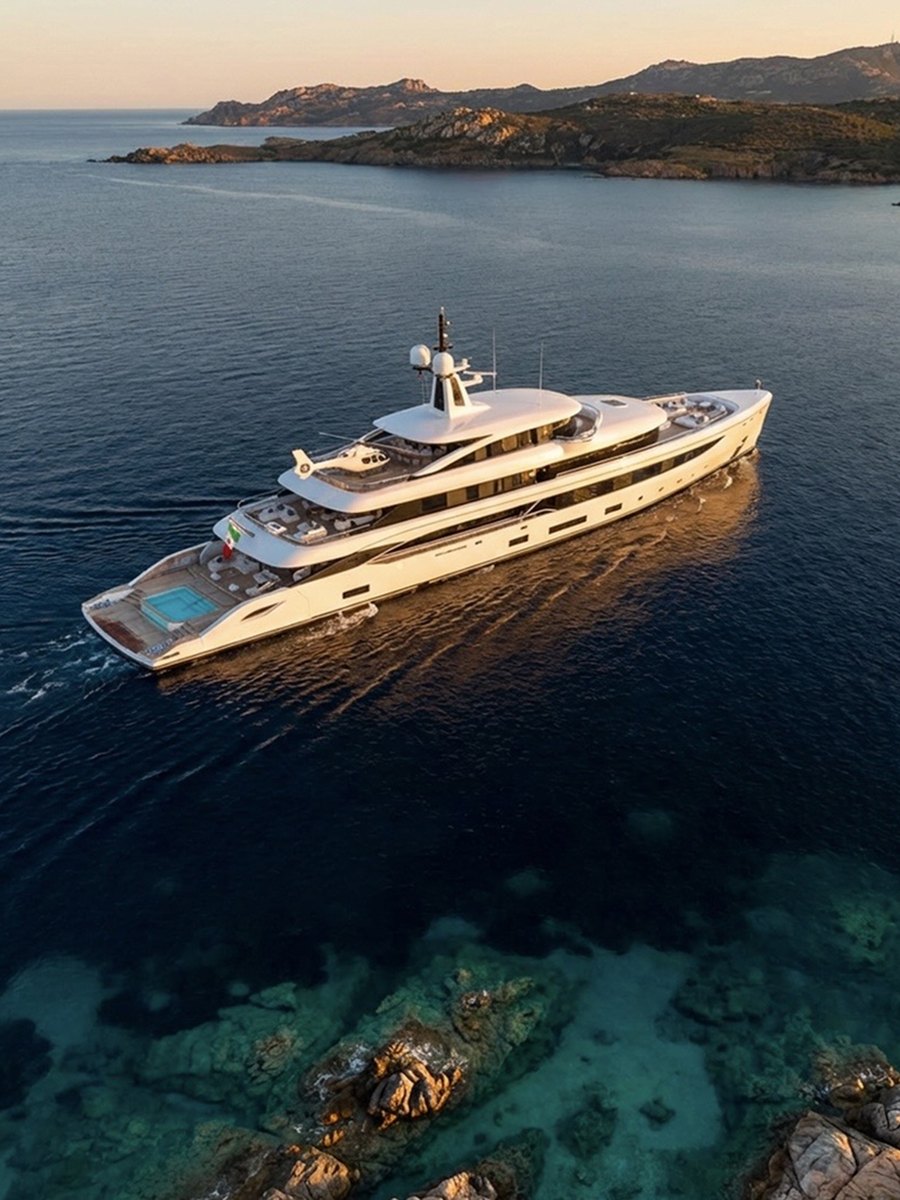
The Etruscan sea, still worked today
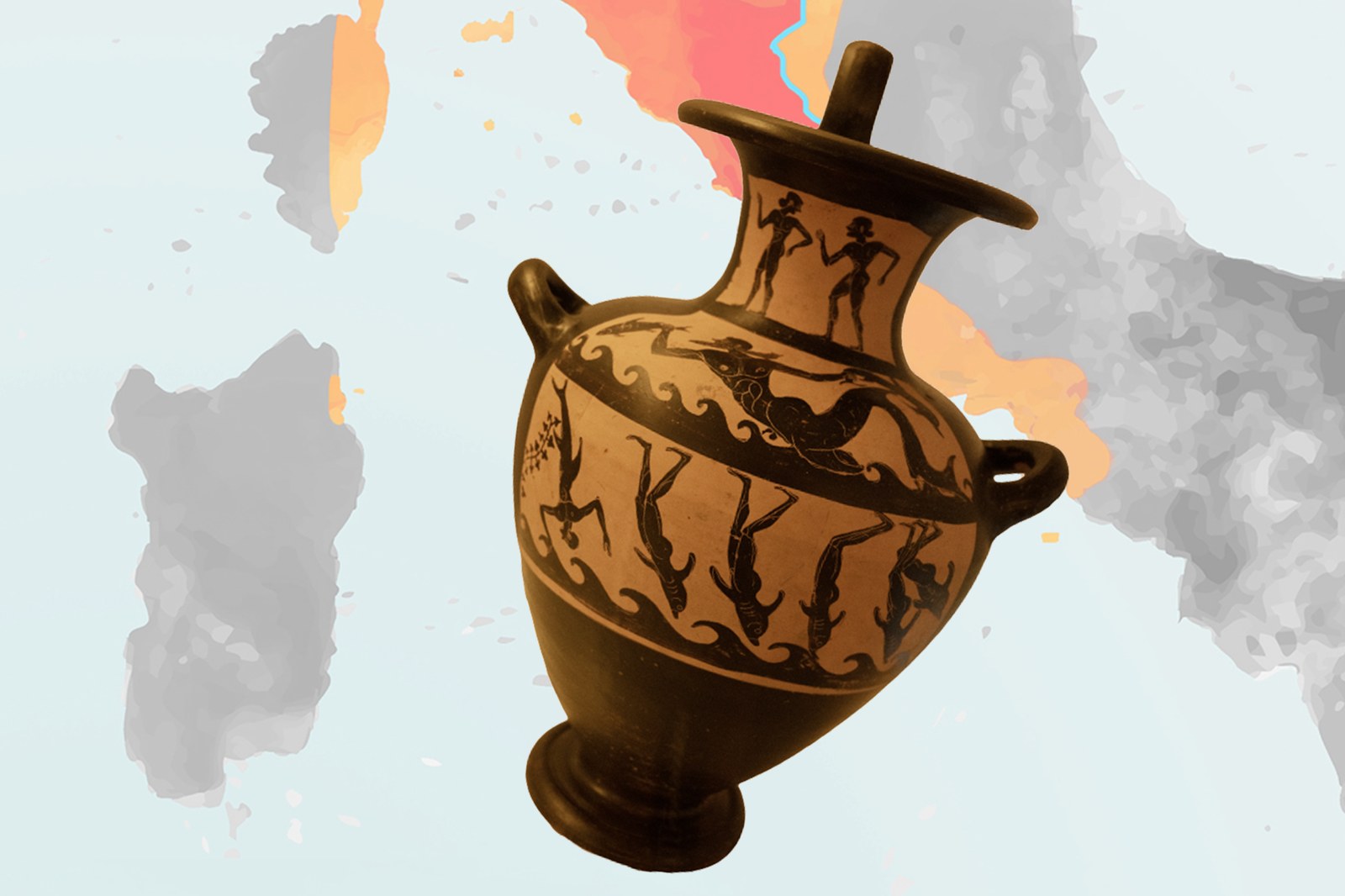
Dolphin-men · Etruscan hydria · Villa Giulia, Rome
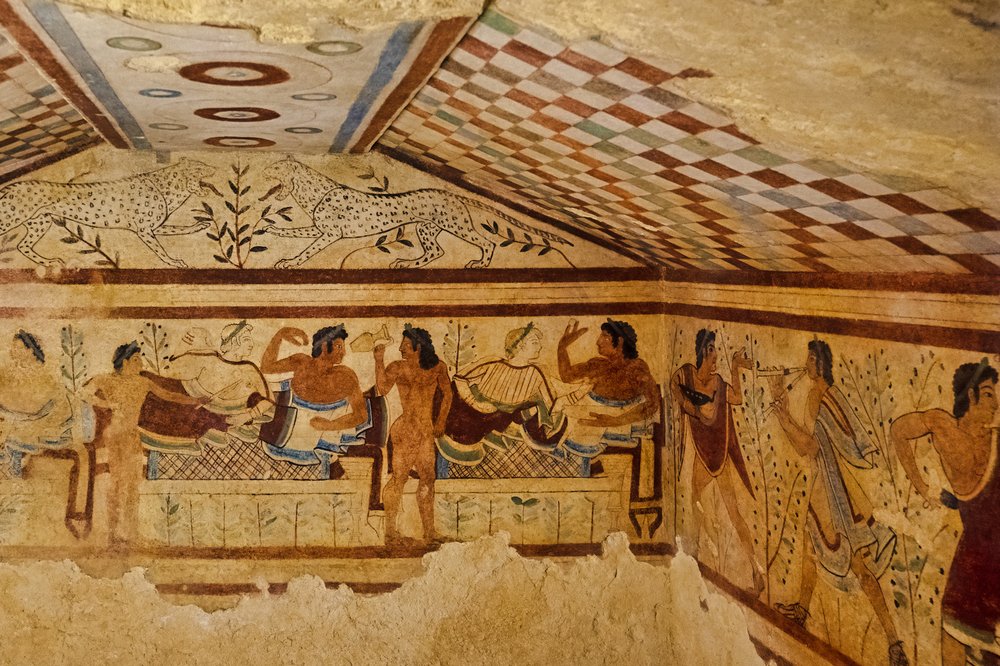
Etruscan banquet · Tomb of the Leopards, Tarquinia · c. 470 BC
“You need power only if you want to do something harmful. Otherwise love is enough to get everything done.”
René van Bakel spent years as a war correspondent in the world’s conflict zones, witnessing how people can destroy one another and everything around them. He set out to document the opposite: people living together in peace, creating rather than destroying, and taking the time to enjoy life.
Dolce Etruria is that search — a multi-layered odyssey through the trades and people of an extraordinarily beautiful country: protagonists who followed a dream with passion while savouring life with those they love. A story of love, hope and creation, to pass on to the next generation.
The project at a glance
René van Bakel
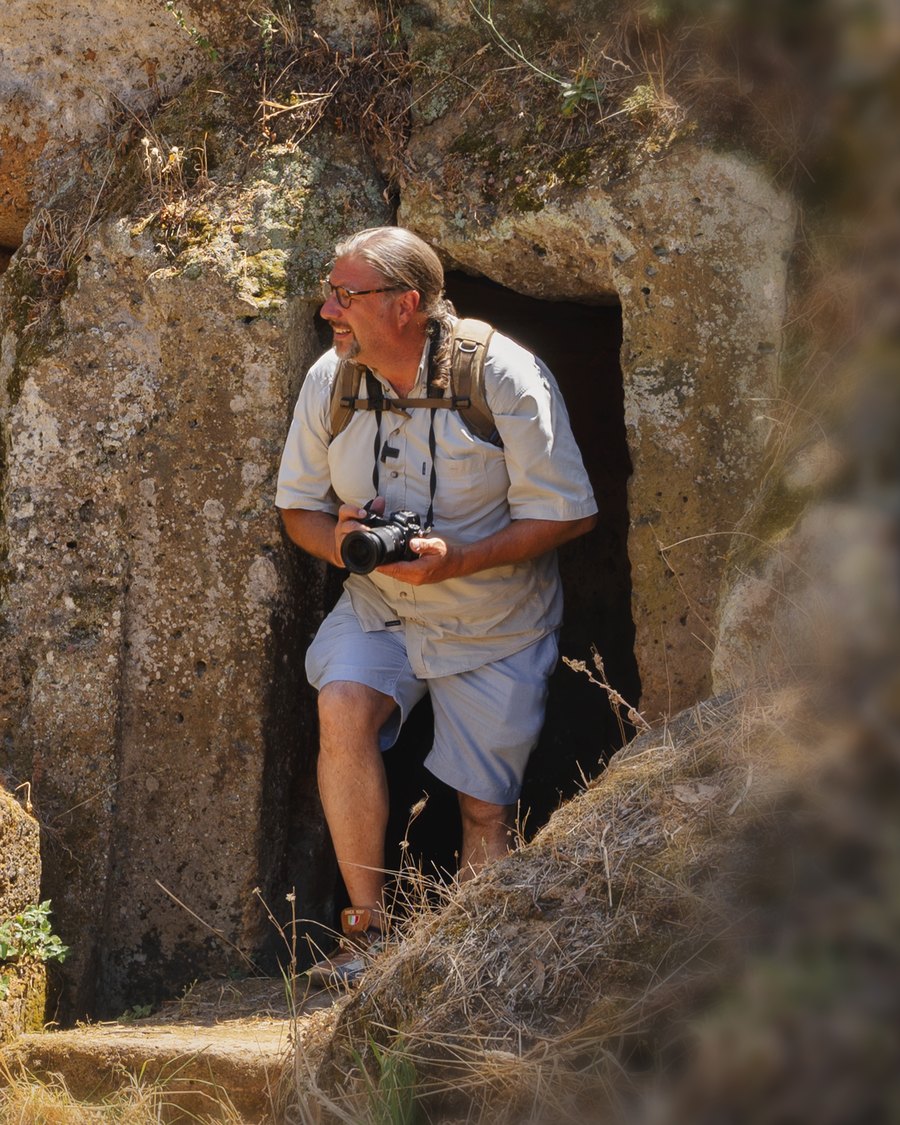
Born in the Netherlands in 1966, René van Bakel is a multi-award-winning photographer, journalist and book author, and founder of the Vienna-based photo agency ASAblanca. His image-and-text reportage from more than 80 countries has appeared in The New York Times, National Geographic, Vogue, GEO and Le Figaro.
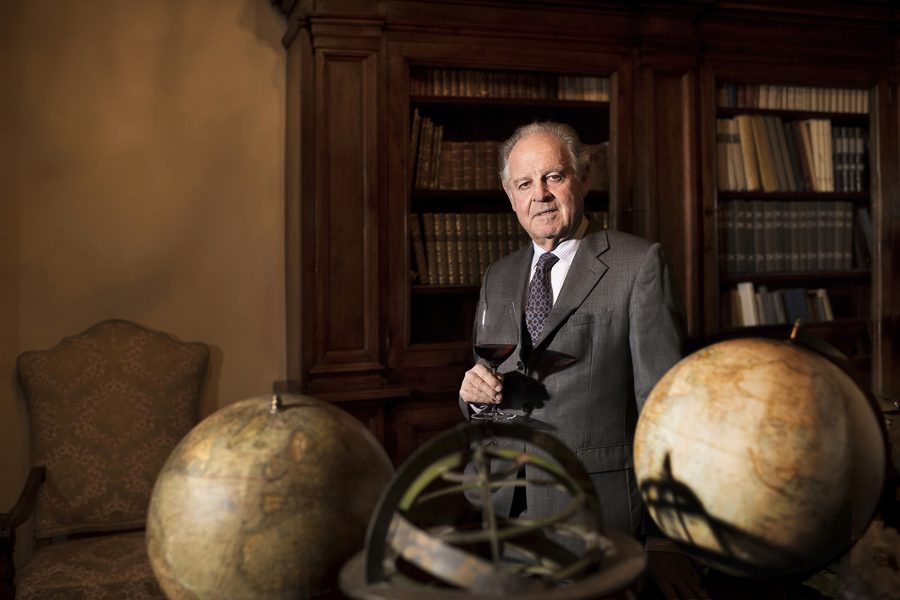
In Tuscany he has created exclusive home stories of Andrea Bocelli, Salvatore Ferragamo Jr, best-selling author Frances Mayes, the painter-sculptor Fernando Botero (published in Vogue DE), and Marchese Antinori with his daughters — the relationships and archive on which this book stands.
15 books · bestsellersOne Eyeland Bronze AwardPX3 Paris AwardFounder · ASAblanca
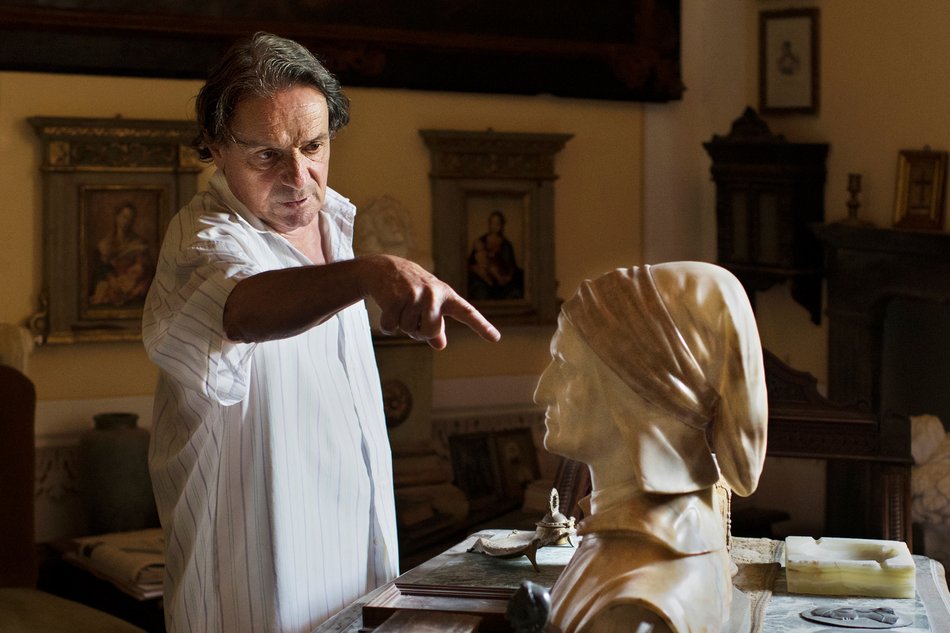
In memory of Antonio Bagni Amadei
Dolce Etruria is dedicated to his memory — here photographed with a bust of Dante, among the art he loved.
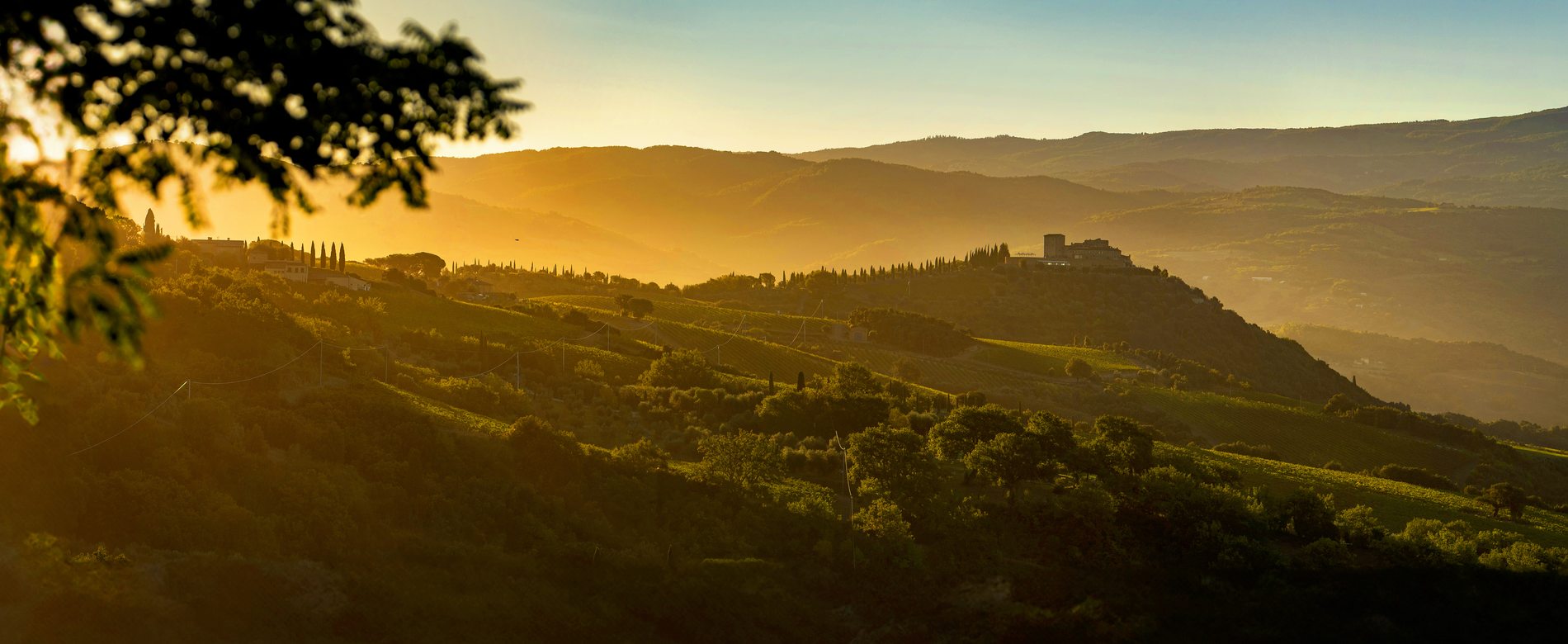
An international release, from the heart of Etruria
The book will be released in spring 2028 with an international presentation in Lajatico, Tuscany — printed by Bandecchi & Vivaldi — followed by a presentation tour across the defining sites of ancient Etruria, bringing the story back to the landscape that gave rise to it.
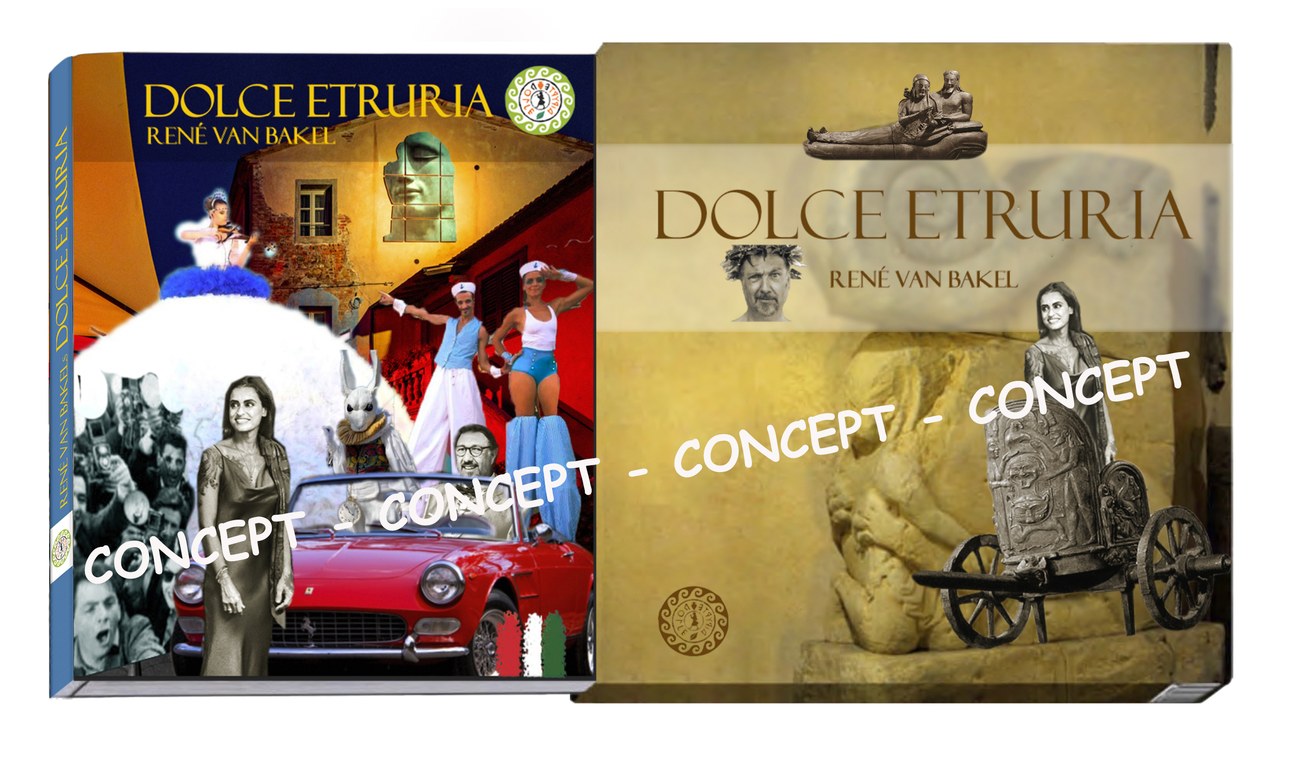
Cover concept — the final cover will be photographed on location
Spring 2028
Bookstore release, ahead of the season, in three languages.
Lajatico
Official international presentation in Tuscany.
Etruria tour
A presentation tour across the key sites of the Etruscan world.
Twenty-five years across Etruria
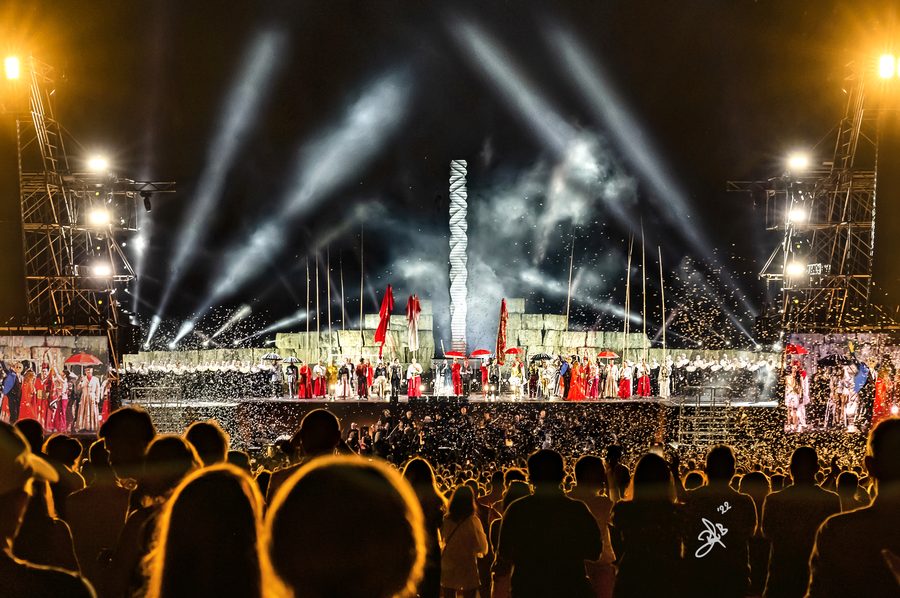
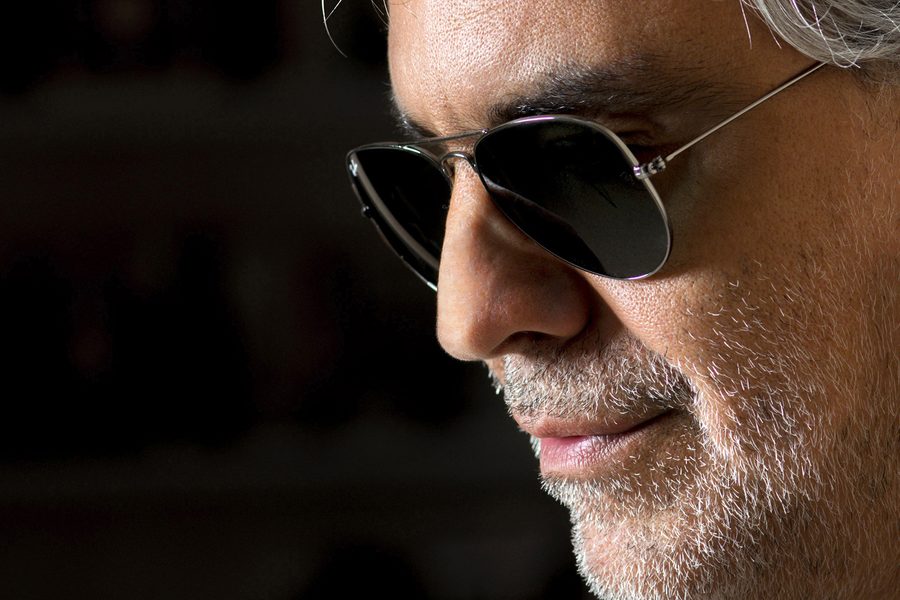
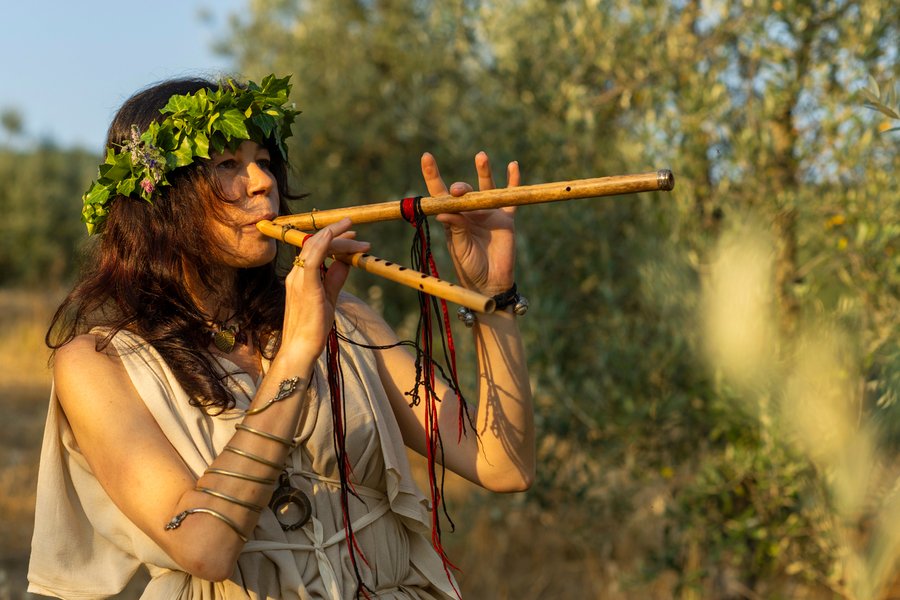
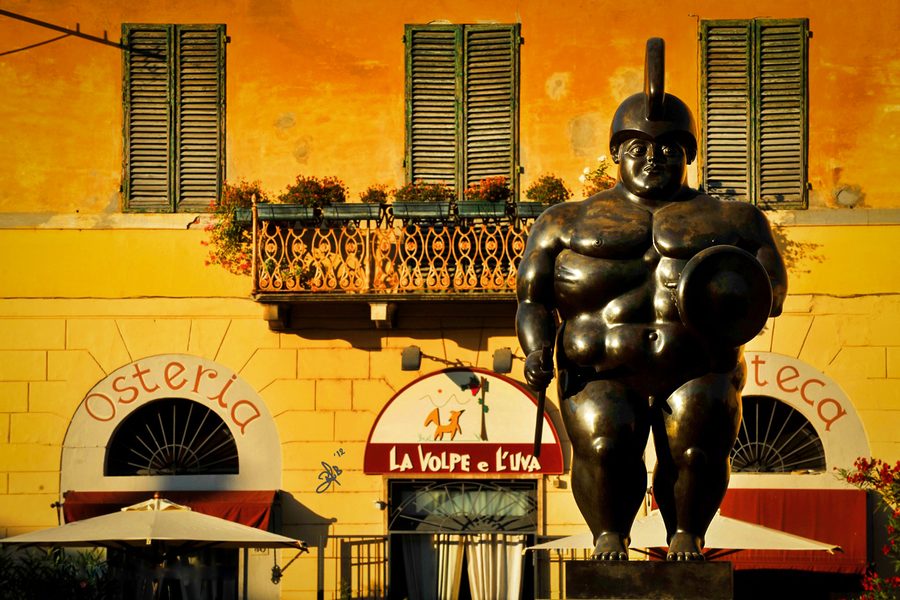
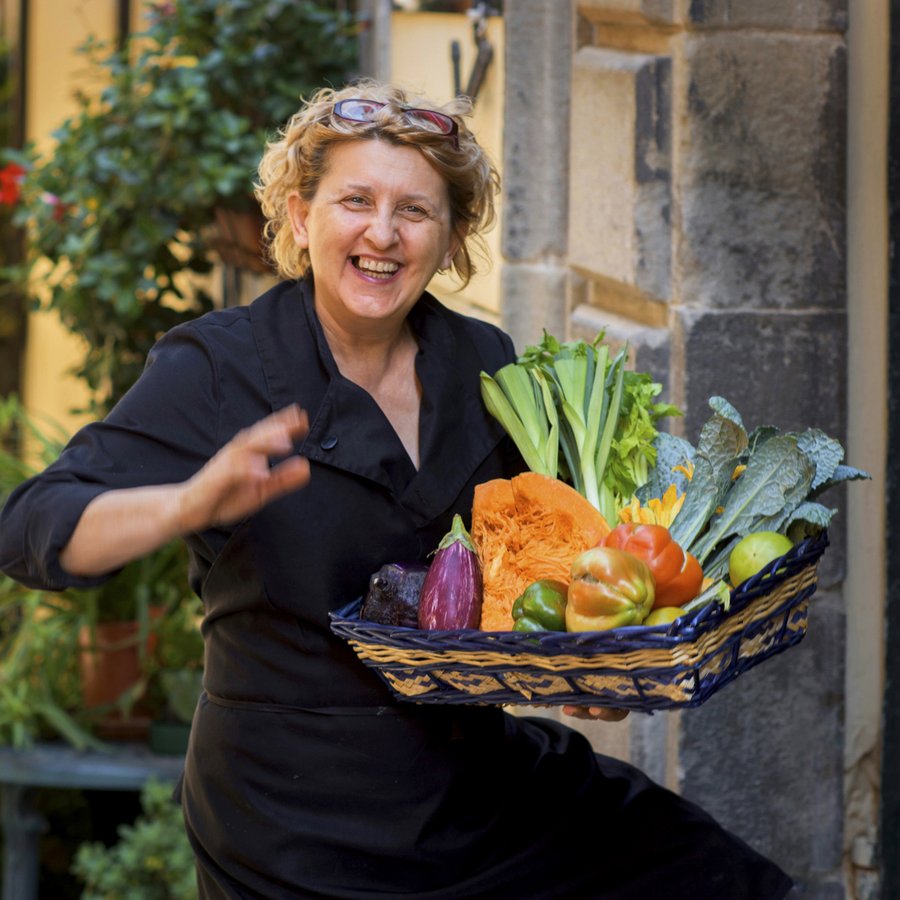
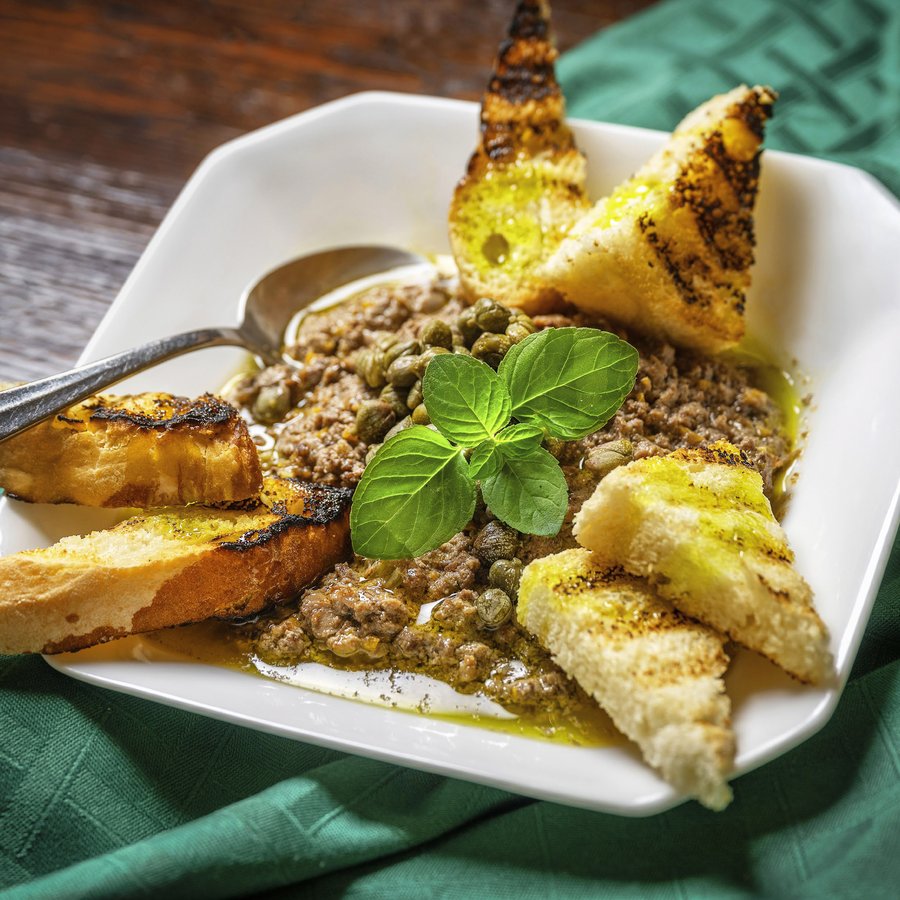
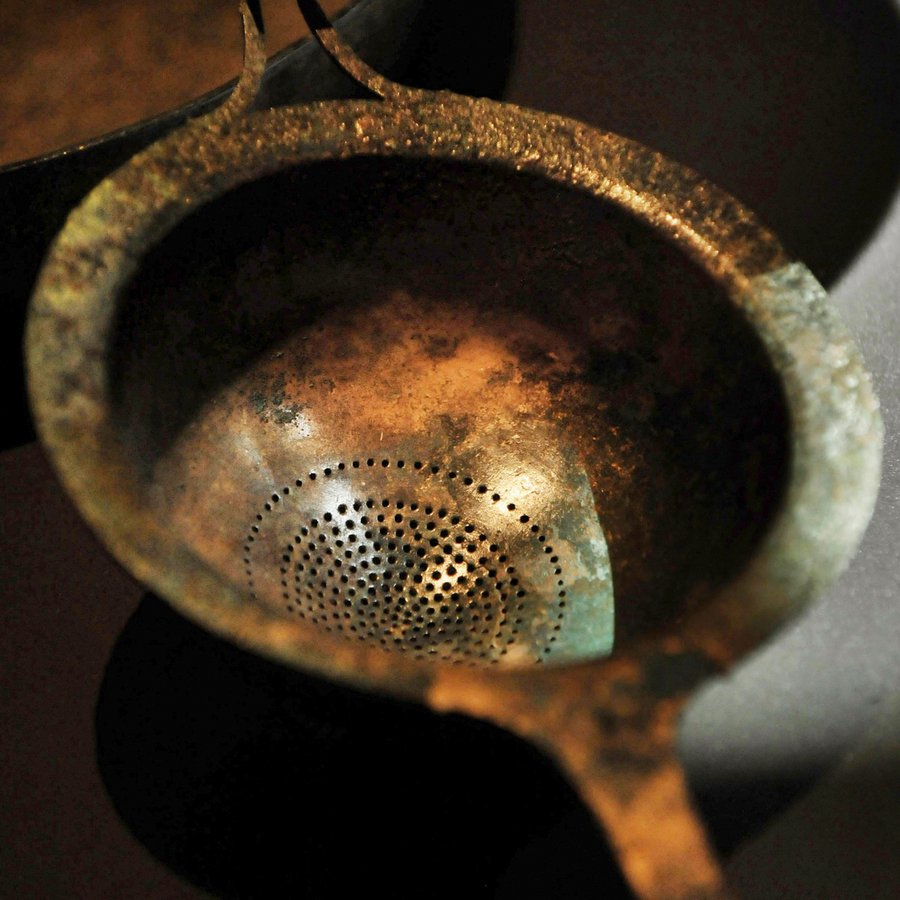
Where the art of the table lives on
Become part of a European cultural undertaking
René van Bakel’s Dolce Etruria welcomes cultural institutions, foundations and heritage-minded partners who wish to help bring this shared European story to an international audience. Partnership can take several forms — and, for Italian supporters, may qualify for significant cultural-sponsorship tax benefits.
Foundations & grants
Support the field research and documentation that complete the book’s living-heritage chapters.
Heritage partners
Houses and makers whose craft embodies the Etruscan lineage can host and sponsor their own chapter.
Italian sponsors · Art Bonus
For Italian supporters, contributions made through an eligible public cultural institution may qualify for the Art Bonus tax credit (up to 65%), subject to the applicable requirements.